Objects of Desire
Kerosene, clockwork and a keeper: the hand-wound lights of the Bahamas
The last hand-wound kerosene lighthouse, Inagua’s 1870 light and the coral grown in months.
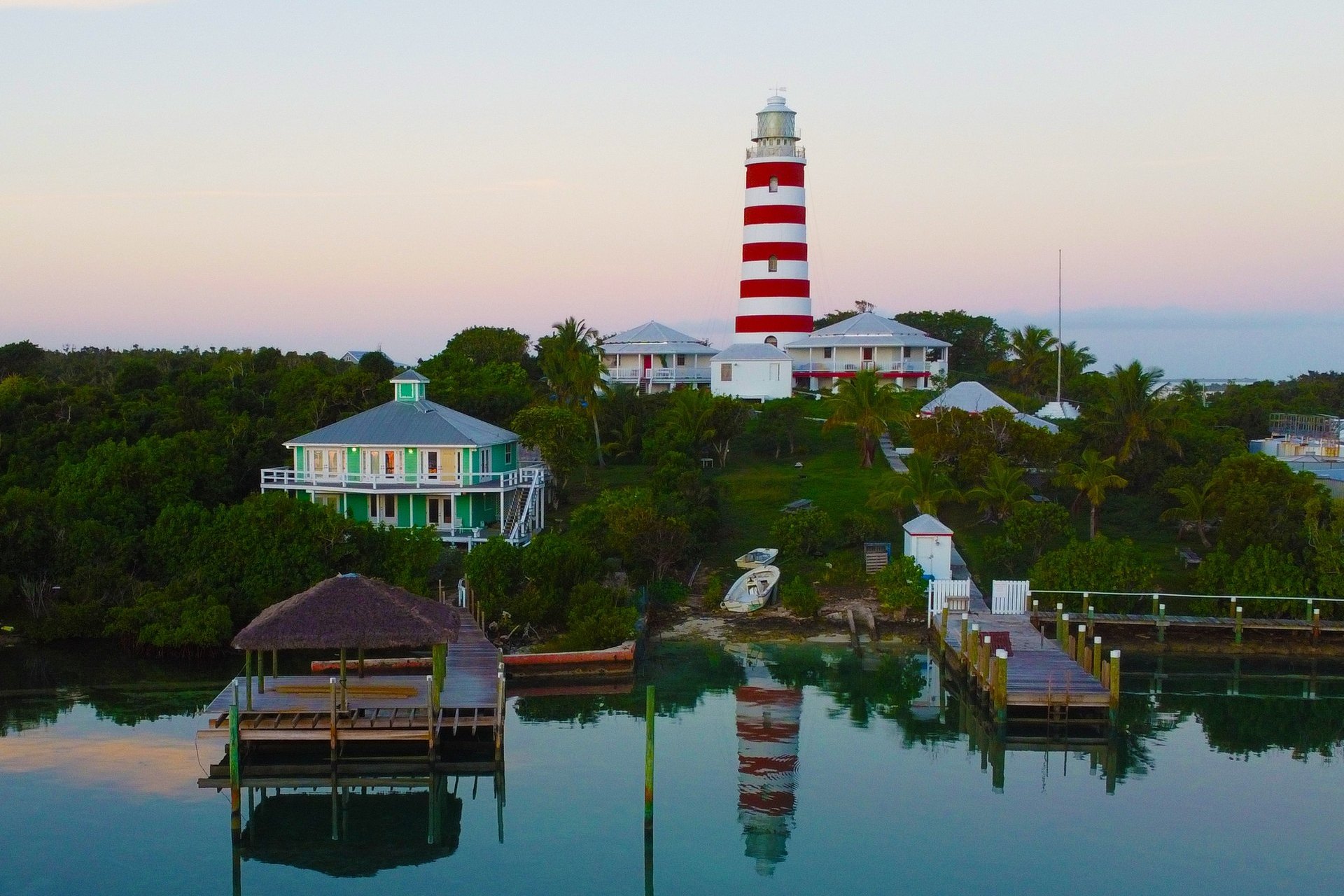
Photo Credit
Image courtesy of © Elbow Reef Lighthouse SocietyThe most impressive machine in The Bahamas has no battery and no app. On Elbow Cay a keeper climbs 101 steps and cranks a hand winch 427 times every two hours so that a kerosene flame can flash every 15 seconds. Why does an island keep a Victorian machine running by hand? Because, in the keeper’s community, the light is not a gadget; it is a family heirloom.
The last keeper of the light
The candy-striped Elbow Reef Lighthouse above Hope Town went up in the 1860s, and its own society describes it as the only active and manned lightstation in the world that has not been electrified. The lens is hand-wound by a keeper and the flame is fuelled by kerosene. Elsewhere, lighthouses swapped their clockwork for electricity long ago; here the manual parts are the point.
The tourism ministry has followed the keeper, Jeffery Forbes Jr., who, like his father and grandfather before him, climbs 101 steps each day to crank a hand winch 427 times every two hours. At night the light flashes every 15 seconds, visible from 20 miles out. It is the only gadget in the islands that is wound up rather than charged, and it has outlasted every phone you have owned.
There is a twist. When the lighthouse was proposed, the people of Hope Town opposed it, because a light that saved ships threatened the wrecking trade, the salvage of cargo from vessels lost on the reef. Today they actively resist automation of its remaining beacons. Few communities change sides so completely, and fewer do it over a lamp.
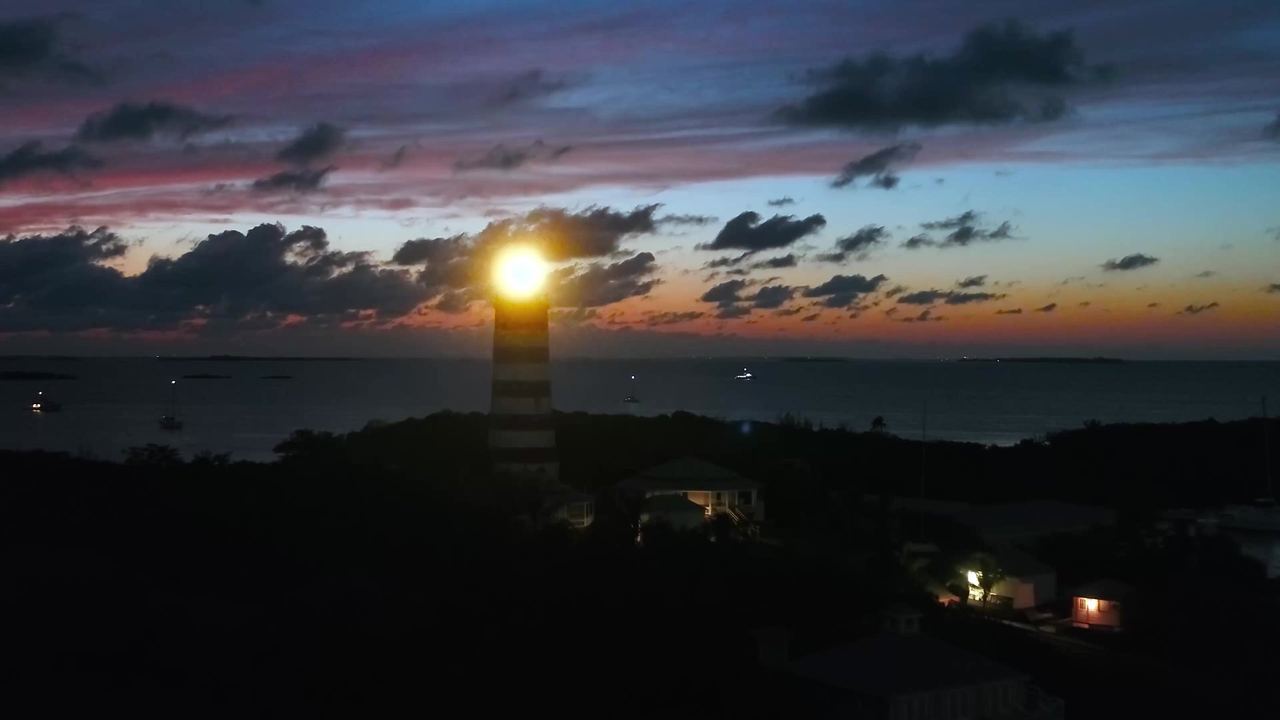
Photo Credit
Image courtesy of © Elbow Reef Lighthouse SocietyThe tower is painted for two audiences. Sailors read the red stripes by day and the white ones at sundown, and the station keeps eight historic outbuildings around its original working tower. The society calls the light Abaco’s Eiffel Tower, its Big Ben; the comparison is generous to Paris and London, neither of which has to be wound by hand.
The Elbow Reef Lighthouse Society restores the lightstation and funds its work partly through its gift shop in town. Opening times have changed during restoration, so check the society’s own site before you plan the climb.
Inagua’s white tower
At the far southern end of the country, the all-white lighthouse at Matthew Town on Great Inagua dates back to 1870 and still functions. The official tourism site promises that, on a clear day, the climb rewards you with views across Inagua and towards Cuba to the south-west. Great Inagua is better known for its flamingos, over 80,000 of them in the national park, which makes the lighthouse the only thing on the island that is not pink.
It is the only gadget in the islands that is wound up rather than charged, and it has outlasted every phone you have owned.
New machines under water
The islands’ newer technology works below the waterline. Coral Vita, on Grand Bahama, describes itself as a commercial reef-restoration platform that grows resilient coral in months instead of decades, using land-based aquaculture and its own BrainCoral software to manage the farm. Its team won the inaugural Revive Our Oceans Earthshot Prize, and divers replant the coral on the reef by hand.
On South Bimini, the Bimini Biological Field Station, known as the Shark Lab and established in 1990 by Dr Samuel Gruber, studies sharks and rays with field and laboratory research and offers tours of its facility. The kit there is practical rather than glamorous: boats, nets and tags, and a great deal of patience.
The station also trains future scientists, from undergraduate and graduate students designing their own research to volunteer interns, and shares its results through talks, documentaries and peer-reviewed journals. For a visitor, the lesson is that the most advanced kit in the Bahamas is often a well-handled boat and someone who knows exactly where the sharks will be.
Pack light
The gadgets you bring matter too. Salt, sand and sun are hard on cameras and phones, and our Travel Tech guide sets out the kit worth packing for a boat-borne holiday, from waterproof cases to the right power adapter: outlets here are 120 volts, like those in the United States.
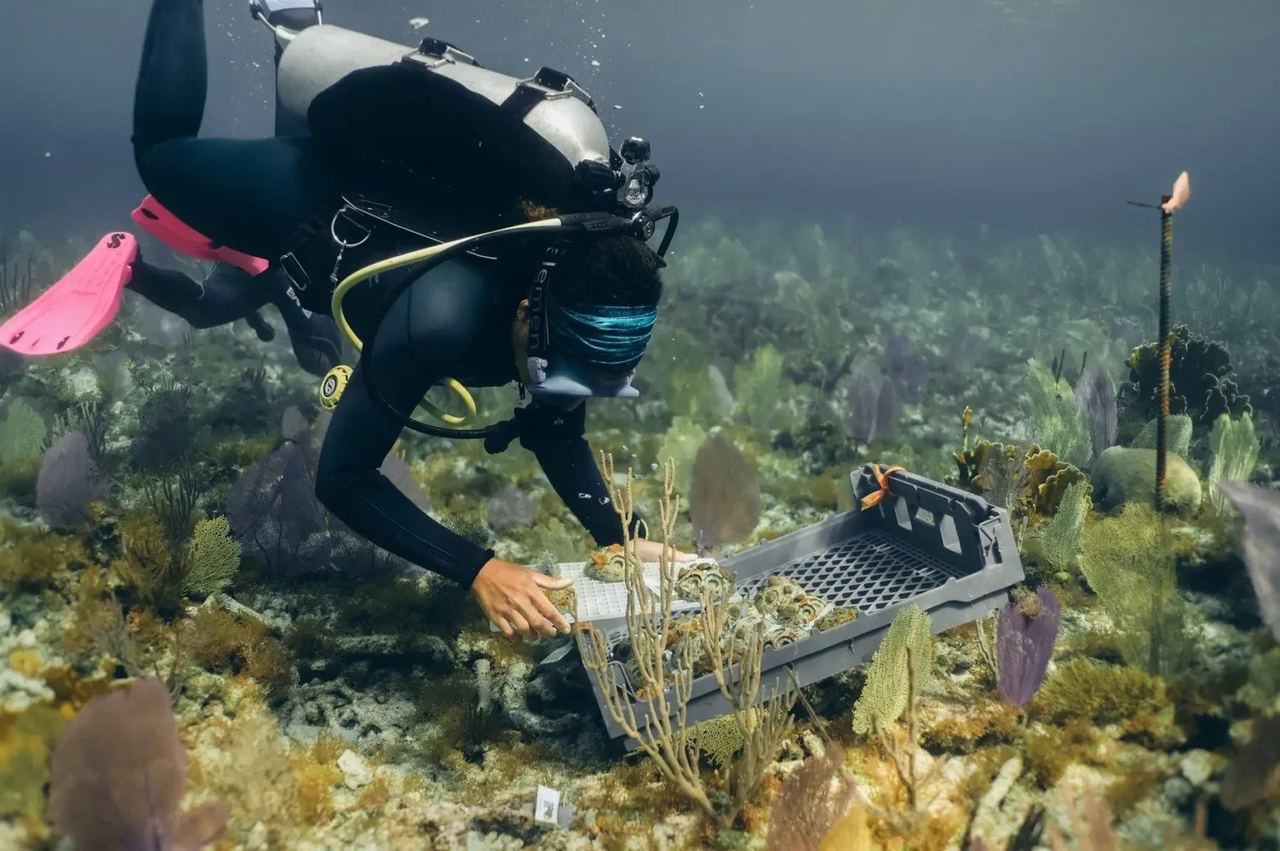
Photo Credit
Image courtesy of © Coral VitaOur advice: sail to Hope Town for the evening and watch the light come on from the harbour; the keeper’s work is easiest to appreciate from below, with a drink, as the first flash crosses the water.
Why it's on our list
- The last keeper of the light
- Inagua’s white tower
- New machines under water
Location
The map comes from Google Maps, which sets its own cookies once it loads.
More in depth
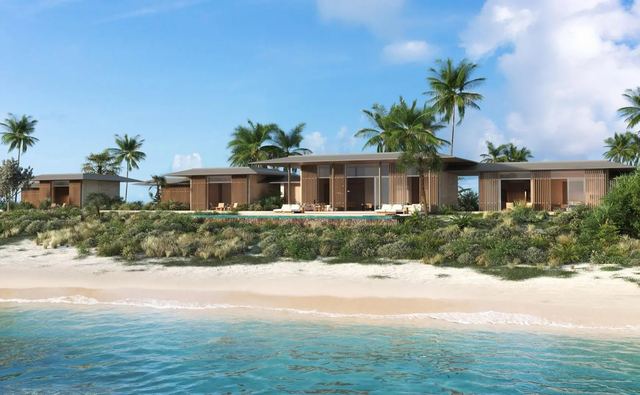 Objects of DesireClapboard, a lone balcony and pavilions by the sea: how the Bahamas buildsFrom Balcony House and Hope Town’s Loyalist cottages to Amancaya, Albany and Banyan Tree Bimini.
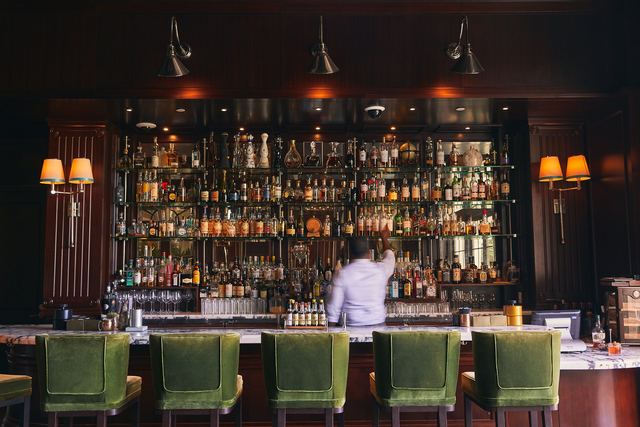 Objects of DesireA Hemingway Special in Nassau, and other drinks with a Bahamian pastThe IBA Hemingway Special, Lyford Cay’s Rum Dum and where Nassau’s best bars pour them.
 Objects of DesireLess parked than crouched: the electric Jaguar and the new supercarsJaguar’s Type 00 and Type 01, Ferrari’s first electric car and the record-breakers around them.