Objects of Desire
Clapboard, a lone balcony and pavilions by the sea: how the Bahamas builds
From Balcony House and Hope Town’s Loyalist cottages to Amancaya, Albany and Banyan Tree Bimini.
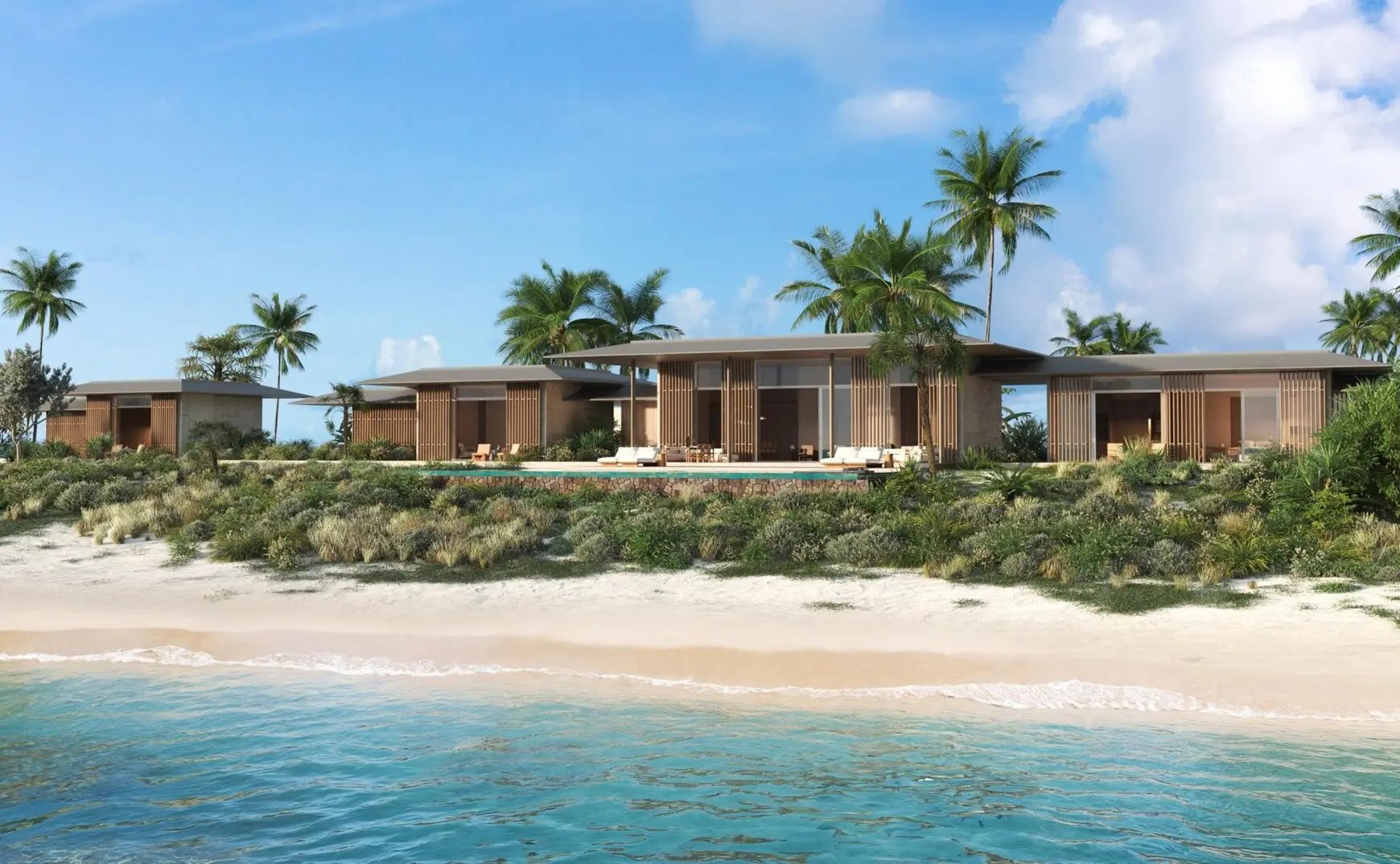
Photo Credit
Image courtesy of © AmanBahamian architecture began as a survival kit: timber, shutters, deep verandas and a roof that could argue with a hurricane. Two centuries later, the new houses on the cays are designed by international names, yet the best of them still look to the same breeze and the same light. What, beyond the view, makes a house belong here? We followed the veranda from Nassau’s oldest residence to the newest pavilions in the Exumas.
Loyalist timber
Balcony House on Market Street is believed to be the oldest standing residence in historic Nassau: an 18th-century wooden house in the Loyalist style, fully restored as a period museum in 1992. The free-standing balcony gave Balcony House its name, which is the architectural equivalent of being named after your best feature. It opens on weekday mornings and afternoons, and closes at weekends.
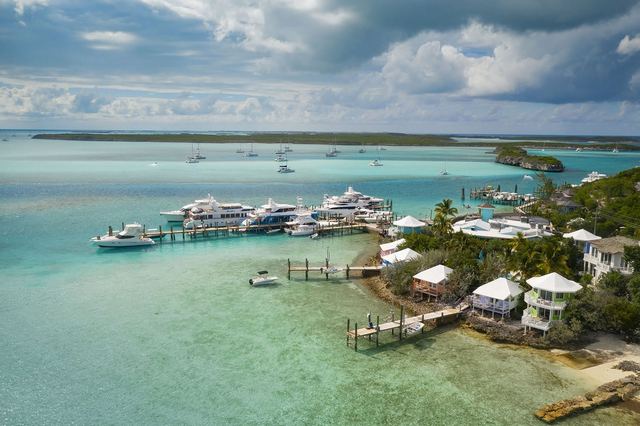
Out in The Abacos, Hope Town and New Plymouth on Green Turtle Cay keep the Loyalist vocabulary alive in pastel clapboard. The tourism ministry calls Hope Town’s wooden homes and businesses fine examples of Loyalist architecture, set along lanes where cars are not allowed. It is the most persuasive argument for preservation in the country: nobody has had to widen a street for two centuries.
Hope Town itself was co-founded in 1785 by Wyannie Malone, a widow from South Carolina who arrived with her four children after the American Revolution. Back in Nassau, Graycliff occupies a historic colonial mansion in lush gardens next door to Government House, proof that the old houses make the best hotels: the bedrooms are larger, the walls are thicker and the ghosts, if any, have excellent manners.
The new marina towns
The contemporary Bahamas builds around water. Albany, a 600-acre resort community on the south-west coast of New Providence, wraps its buildings around a 71-slip megayacht marina, with a championship golf course by Ernie Els behind them. The marina buildings step down to the water in white curves and glass, a modern answer to the old harbour fronts of Nassau.
On Great Guana Cay in The Abacos, Baker’s Bay, the private club by Discovery Land Company, sets its homes among a golf course, beaches and a marina village; access is for members and their guests. On Cable Beach, Rosewood Residences Baha Mar pay homage, in the developer’s words, to Bahamian island estate architecture, and the Penthouses at Goldwynn rise straight above the sand.
Rosewood keeps its residents’ comforts close: the Quiet and Lagoon pools are reserved for Rosewood residents and guests, and Long Cay, the resort’s own island, is a short sail away. For longer voyages there is the Codecasa Eternity I, a 213-foot superyacht with 14 crew and a private chef, which rather redefines the residents’ shuttle.
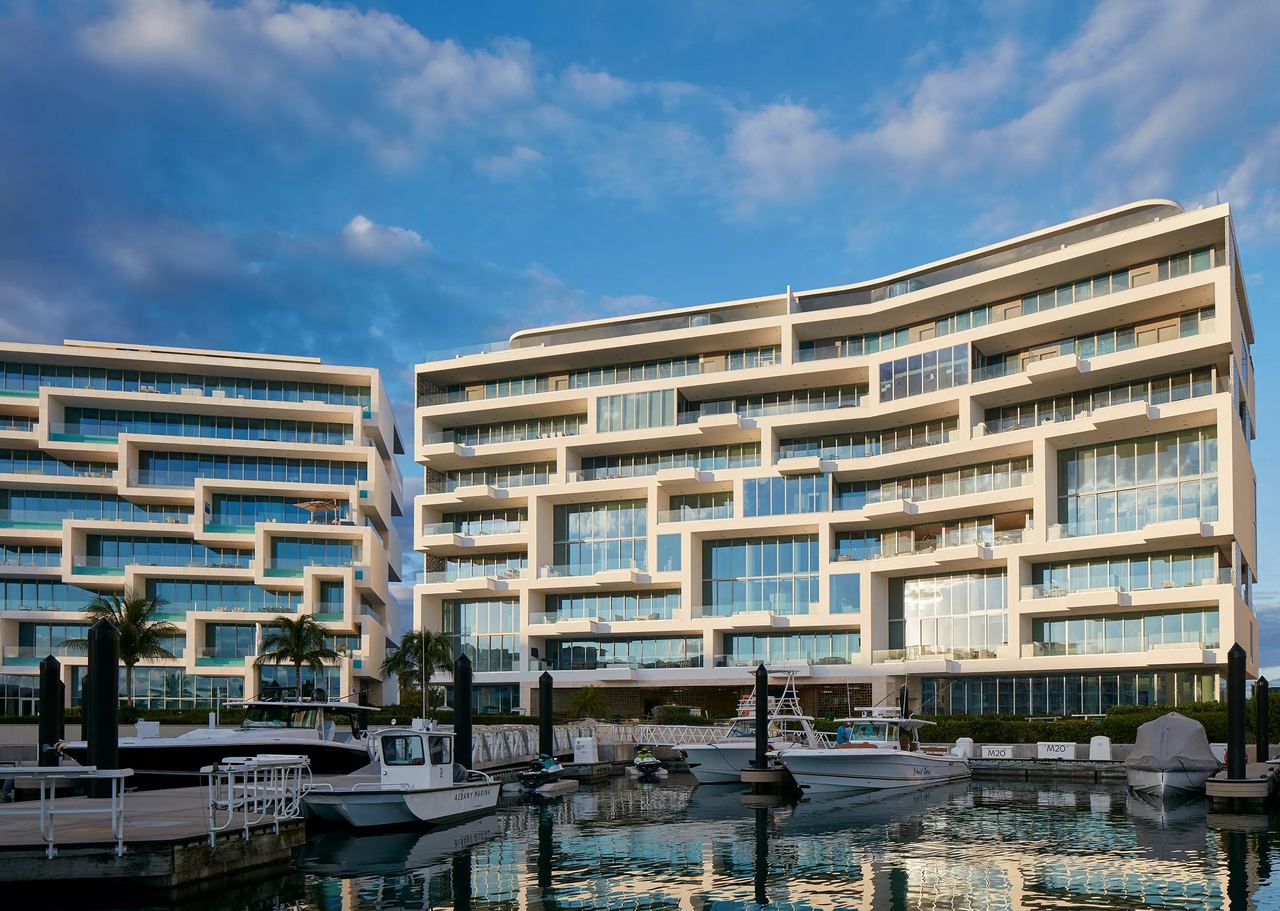
Photo Credit
Image courtesy of © AlbanyPavilions on the cays
The most anticipated new houses are in the Exumas. Amancaya, Aman’s first destination in The Bahamas, spreads over 400 acres on two private cays; its name means “peaceful island” in Taíno. Jacobsen Studio designed the architecture, Yabu Pushelberg the interiors and Raymond Jungles the landscape, and the Aman Residences are three- to five-bedroom villas with private pools beside a 36-pavilion resort.
The free-standing balcony gave Balcony House its name, which is the architectural equivalent of being named after your best feature.
On North Bimini, 48 nautical miles east of Miami Beach, Banyan Tree Bimini Resort & Residences occupies 750 acres, with fully furnished waterfront residences by the architect Chad Oppenheim, designed, its makers say, to blur the line between architecture and nature. Each comes with private dockage, so the commute is by boat.
What makes a house belong
Look closely and the new houses share old habits. Deep verandas and open-sided living rooms do the work that shutters and porches did for the Loyalists: they catch the trade winds, shade the walls and frame the sea. The materials have changed; the climate has not, and the better architects seem to know it.
This is a feature about design, not the market: for buying, foreign ownership rules and the professionals who handle them, our Property pages and the government’s own guidance are the place to start.
Our advice: begin at Balcony House on a weekday, walk Hope Town’s lanes on your next Abaco day, then judge the new pavilions against them. The test is simple: would the house still work with the air conditioning off?
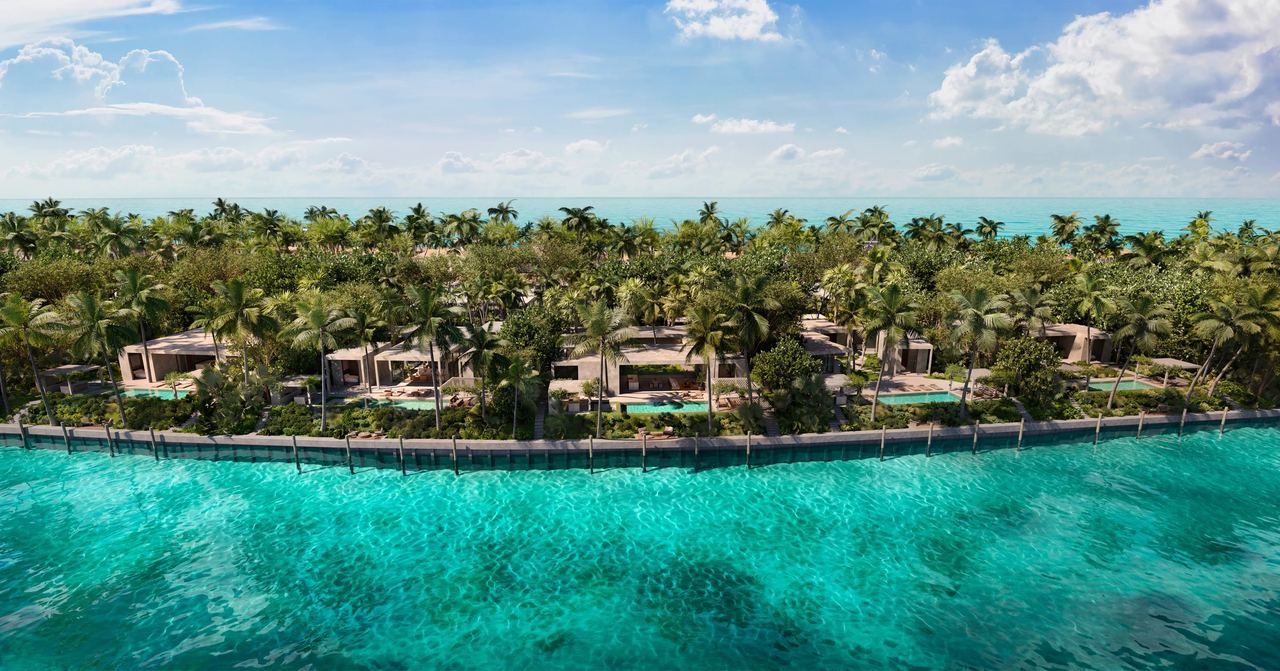
Photo Credit
Image courtesy of © Banyan Tree Bimini Resort & ResidencesWhy it's on our list
- Loyalist timber
- The new marina towns
- Pavilions on the cays
Location
The map comes from Google Maps, which sets its own cookies once it loads.
More in depth
 Objects of DesireA Hemingway Special in Nassau, and other drinks with a Bahamian pastThe IBA Hemingway Special, Lyford Cay’s Rum Dum and where Nassau’s best bars pour them.
 Objects of DesireLess parked than crouched: the electric Jaguar and the new supercarsJaguar’s Type 00 and Type 01, Ferrari’s first electric car and the record-breakers around them.
 Objects of DesireTwin engines, no cars: the beautiful boats of the BahamasMan-O-War’s boatbuilders, Hope Town’s car-free lanes and superyachts at Atlantis Marina.