Objects of Desire
Cowbells, conch and a carpenter’s saw: how the Bahamas makes music
The Junkanoo drum, the soldered cowbell and Cat Island’s rake and scrape, and where to hear them.
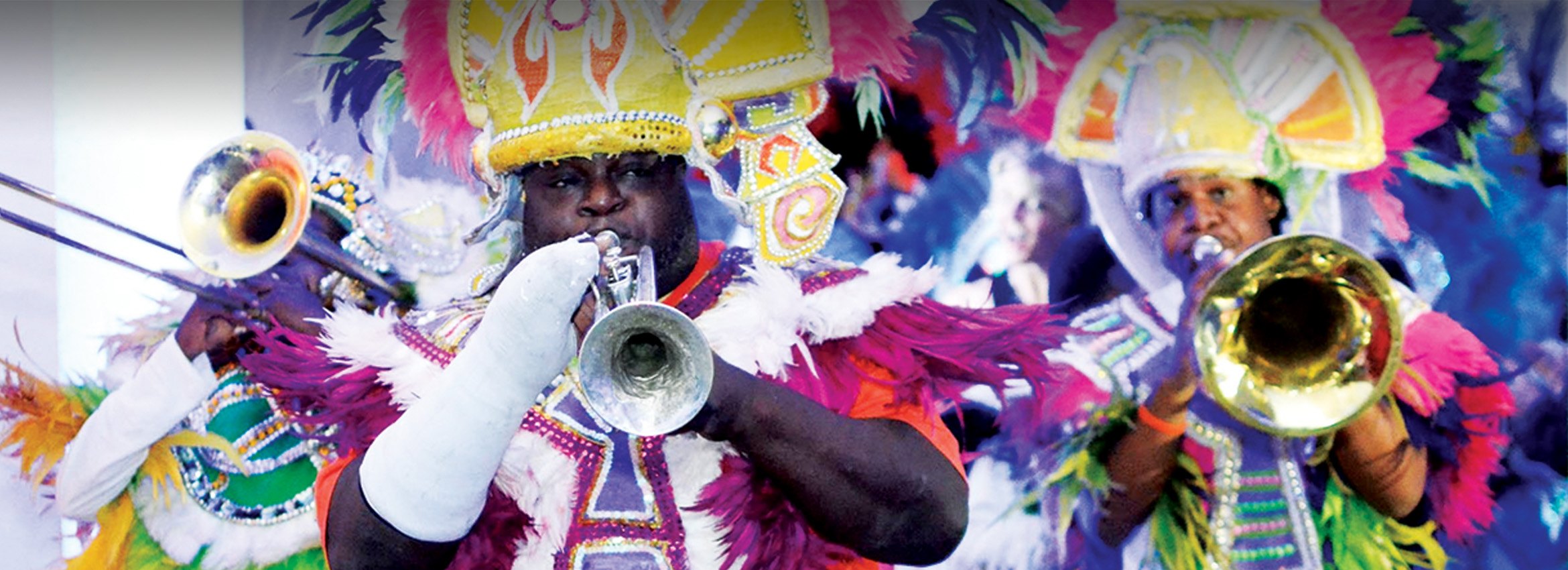
Photo Credit
Image courtesy of © Port Lucaya MarketplaceThe Bahamas has no concert hall to speak of, and needs none. Its great instruments are made from what was to hand: a conch shell, a drum skin heated and stretched over a fire, cowbells soldered from scraps of iron, a carpenter’s saw scraped with a knife. Why do the islands’ two native sounds come from the toolbox rather than the music shop? The answer is in the history, and it is loud.
The Junkanoo orchestra
The Ministry of Tourism lists the instruments that have historically defined Junkanoo music: an empty conch shell, a drum made from calfskin, heated and stretched, and cowbells soldered together from scraps of iron. Add horns and whistles, and you have an orchestra that can be heard several streets before it can be seen. Nobody tunes it with a spanner; the drummers bring the skins up with heat.
The parade starts in the wee hours after midnight on Boxing Day and again on New Year’s Day, with the largest on Bay Street in downtown Nassau. Organised groups of up to 1,000 people spend almost the whole year on costumes and music, and the competition between them is fierce and good-humoured. The best seat for Junkanoo is not a seat at all: it is a stretch of Bay Street kerb at three in the morning.
The music is not reserved for Christmas. Junkanoo returns on Independence Day, at Junkanoo Summer Fest and on smaller holidays through the year, and the official site says anyone is welcome to take part, so long as they follow the rules of the National Junkanoo Association. Visitors can make arrangements through their hotel, though the drums, wisely, stay with the drummers.
Its origins are disputed, which the official site treats with admirable calm. One story credits John Canoe, a legendary West African prince; the most popular holds that it grew from the three days off at Christmas given to enslaved people brought by Loyalists in the late 18th century, who sang and danced in masks from house to house, often on stilts.
Rake and scrape from Cat Island
The other national sound is rake and scrape, which the tourism ministry calls the indigenous music of The Bahamas and traces to Cat Island. It is made with repurposed objects: wood, saws and goatskin drums. The saw is bent and scraped to give the rhythm its rasp, which makes it the only orchestra in which the percussion section could also build you a cupboard.
Every June the Rake & Scrape Festival on Cat Island celebrates the music with quadrille dancing, and year-round you can catch a band in the island’s bars and restaurants. In Grand Bahama, the Market Square at Port Lucaya Marketplace invites you to dance to Junkanoo, rake and scrape or bongo drums by day, with live Bahamian music at night.
The best seat for Junkanoo is not a seat at all: it is a stretch of Bay Street kerb at three in the morning.
Where to listen
In Nassau, the Educulture Junkanoo Museum on West Street is the place to understand the instruments before you hear them in the street: its founders tell the history and show the costumes. At Lynden Pindling International Airport, life-size Junkanoo figures greet you in the departures hall, the last chance to admire a costume before customs.
Out in The Abacos, the Green Turtle Club hosts Green Turtle Cay’s own Gully Roosters on Wednesday nights, playing originals and reggae classics under the buttonwood tree on the deck. In Hope Town the soundtrack is quieter: halyards slapping masts in the harbour, and the occasional cowbell from a practising group carried over the water.
The question of volume
Why the toolbox? Because the music grew up among people who had to make their own instruments, and because the islands’ greatest musical event happens outdoors, in the small hours, on a street. A violin would be lost in it. A cowbell soldered from scrap iron is heard from the harbour.
Listen for the structure, too. The drums set the pulse, the cowbells cut across it and the horns carry the tune, so a group can be recognised by its sound before its banner turns the corner. In a parade that is also a competition, that is a considerable advantage: your rivals hear you coming, and so does everyone asleep within a mile.
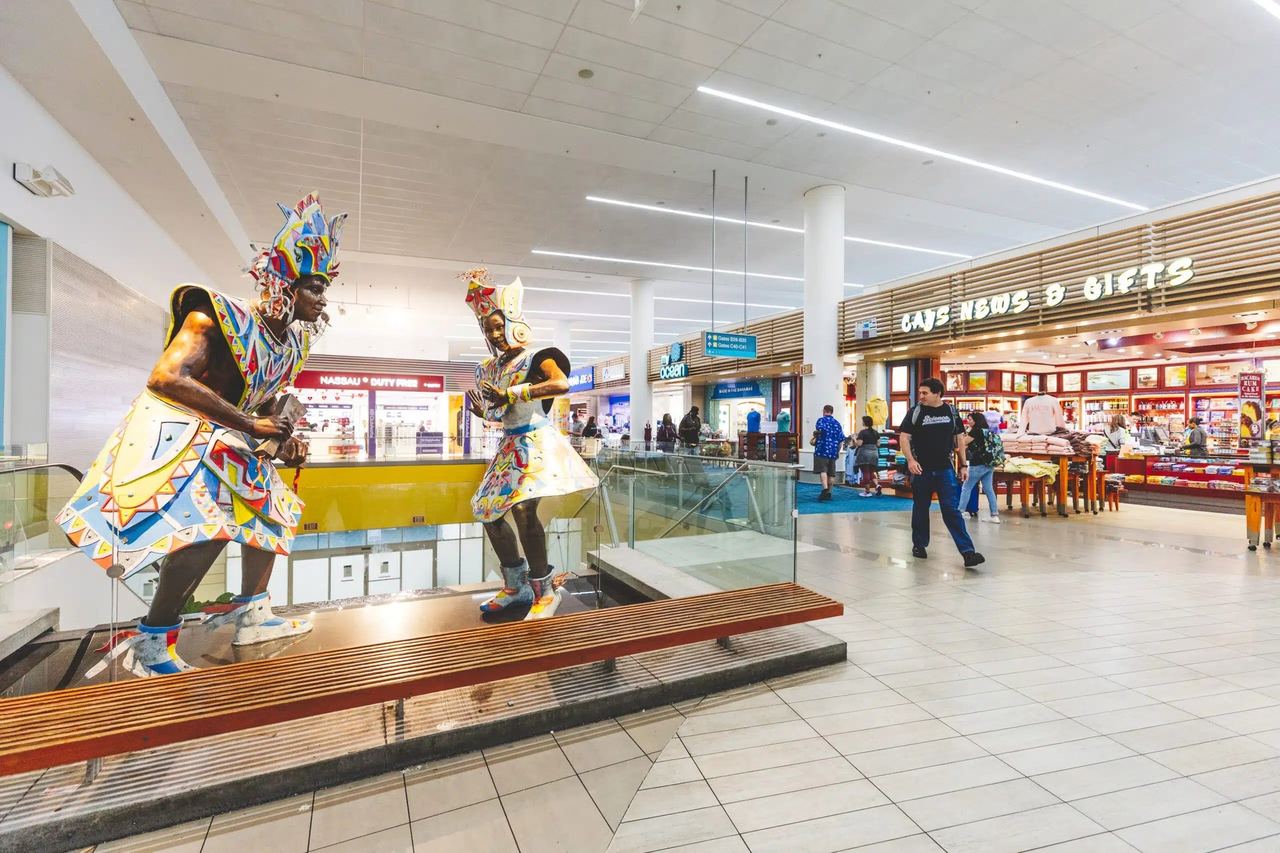
Photo Credit
Image courtesy of © Nassau Airport Development CompanyOur advice: visit the Educulture Junkanoo Museum before Boxing Day, then take your place on Bay Street early, wear comfortable shoes and bring earplugs only if you intend to miss the point.
Why it's on our list
- The Junkanoo orchestra
- Rake and scrape from Cat Island
- Where to listen
Location
The map comes from Google Maps, which sets its own cookies once it loads.
More in depth
 Objects of DesireKerosene, clockwork and a keeper: the hand-wound lights of the BahamasThe last hand-wound kerosene lighthouse, Inagua’s 1870 light and the coral grown in months.
 Objects of DesireClapboard, a lone balcony and pavilions by the sea: how the Bahamas buildsFrom Balcony House and Hope Town’s Loyalist cottages to Amancaya, Albany and Banyan Tree Bimini.
 Objects of DesireA Hemingway Special in Nassau, and other drinks with a Bahamian pastThe IBA Hemingway Special, Lyford Cay’s Rum Dum and where Nassau’s best bars pour them.