History & heritage
Lucayans, pirates and Loyalists: how the Bahamas became a nation
The Lucayans, Columbus, pirates, Loyalists, Junkanoo and independence in 1973.

Photo Credit
Image courtesy of © Oscar Flowers · CC BY-SA 3.0 via Wikimedia Commons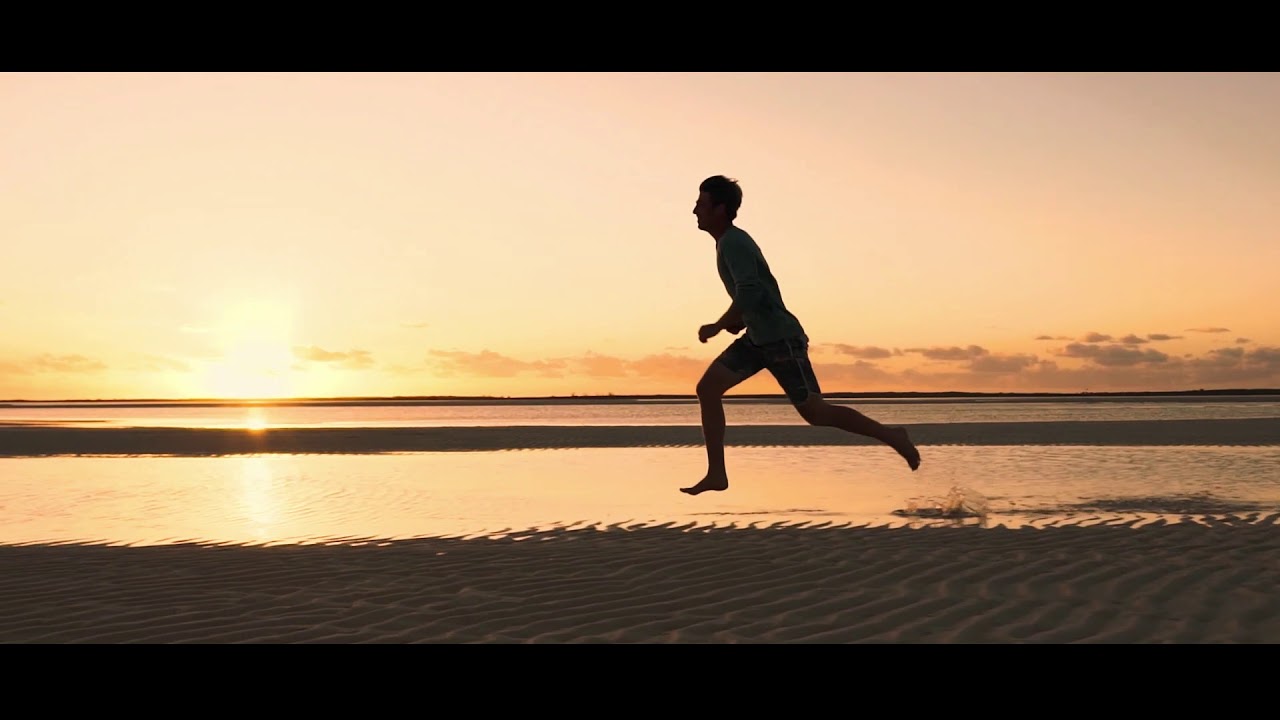
Video Credit
Video © The Bahamas Ministry of Tourism · plays from YouTube, which may set its own cookies once it startsThe Bahamas is a nation of some seven hundred islands and cays spread across the shallow banks between Florida and Cuba. It was here, in 1492, that Columbus first made landfall in the Americas, among the Lucayan people. Pirates, Puritans, Loyalists and the descendants of enslaved Africans shaped what came after, and their story is told in Nassau’s forts and in the drums of Junkanoo.
At a glance
Population: 399,314 (Bahamas National Statistical Institute, 2022 census, preliminary), most on New Providence, home of Nassau.
Islands: some 700 islands and cays, about 30 of them inhabited.
Peoples: the Lucayans (a Taíno people) before 1492; today most Bahamians are of African descent, with European, Haitian and other communities.
Shaped by: the Lucayans, Spain’s arrival, English settlers from 1648, the pirates of the early eighteenth century, the British crown, the Loyalists, emancipation (1834) and independence (1973).
The Lucayans
The Lucayans, a Taíno people who had come from the larger Caribbean islands, lived across the Bahamas for centuries, fishing, farming and travelling by canoe. Within a generation of 1492 nearly all had been taken by the Spanish as forced labourers to Hispaniola and Cuba, or had died of disease.
1492
On 12 October 1492 Columbus landed on an island the Lucayans called Guanahani; most historians identify it with today’s San Salvador, though the exact island is still debated.
Eleuthera and the pirates
In 1648 English Puritans from Bermuda, the Eleutheran Adventurers, settled Eleuthera, naming it from the Greek for freedom. By the early eighteenth century Nassau had become a haven for pirates, among them Blackbeard. The British crown restored control in 1718, and the colony’s motto became Expulsis Piratis, Restituta Commercia: pirates expelled, commerce restored. Fort Charlotte, Fort Fincastle and Fort Montagu guard the harbour still.
Loyalists and emancipation
After the American Revolution, Loyalists fled to the Bahamas with the people they enslaved and tried to build cotton plantations, which failed on the thin soils. Slavery was abolished across the British Empire in 1834. The Queen’s Staircase in Nassau, 66 steps cut into the limestone by enslaved labourers in the late eighteenth century, was later named in honour of Queen Victoria, who signed emancipation into law.
Columbus’s first landfall in the Americas, a pirate republic and a nation of seven hundred islands.
Junkanoo and independence
Junkanoo, the street parade of Boxing Day and New Year’s Day, with its goatskin drums, cowbells and costumes of crepe paper, grew from the brief holidays allowed to enslaved Africans, and is now the great expression of Bahamian culture. The Bahamas became independent on 10 July 1973.
Our advice: climb the Queen’s Staircase to Fort Fincastle, visit the Pompey Museum of Slavery and Emancipation in Nassau, and if you are there at Christmas or New Year, rise early to see Junkanoo on Bay Street.
Sources
Population: Bahamas National Statistical Institute, 2022 Census of Population and Housing (preliminary). History: Antiquities, Monuments and Museum Corporation of The Bahamas; Bahamas Ministry of Tourism; Encyclopaedia Britannica, “The Bahamas”.
Why it's on our list
- 399,314 people (2022 census)
- The Lucayans
- 1492
- Eleuthera and the pirates
- Loyalists and emancipation
- Junkanoo and independence
Location
The map comes from Google Maps, which sets its own cookies once it loads.
More in depth
 The back storySeven days in the Exuma Cays: an island-hopping itineraryA week by boat from Nassau through the Exuma Cays Land & Sea Park to Staniel Cay, the pigs and back.
 The back storyBlue holes of the Bahamas: Dean’s, Andros and beyondDean’s Blue Hole, Andros’s 180 blue holes and the inland holes of the islands.
 The back storySharks, pigs and stingrays: wildlife encounters and etiquetteSharks, swimming pigs, iguanas and flamingos, and how to behave around them.